
January 2 -4
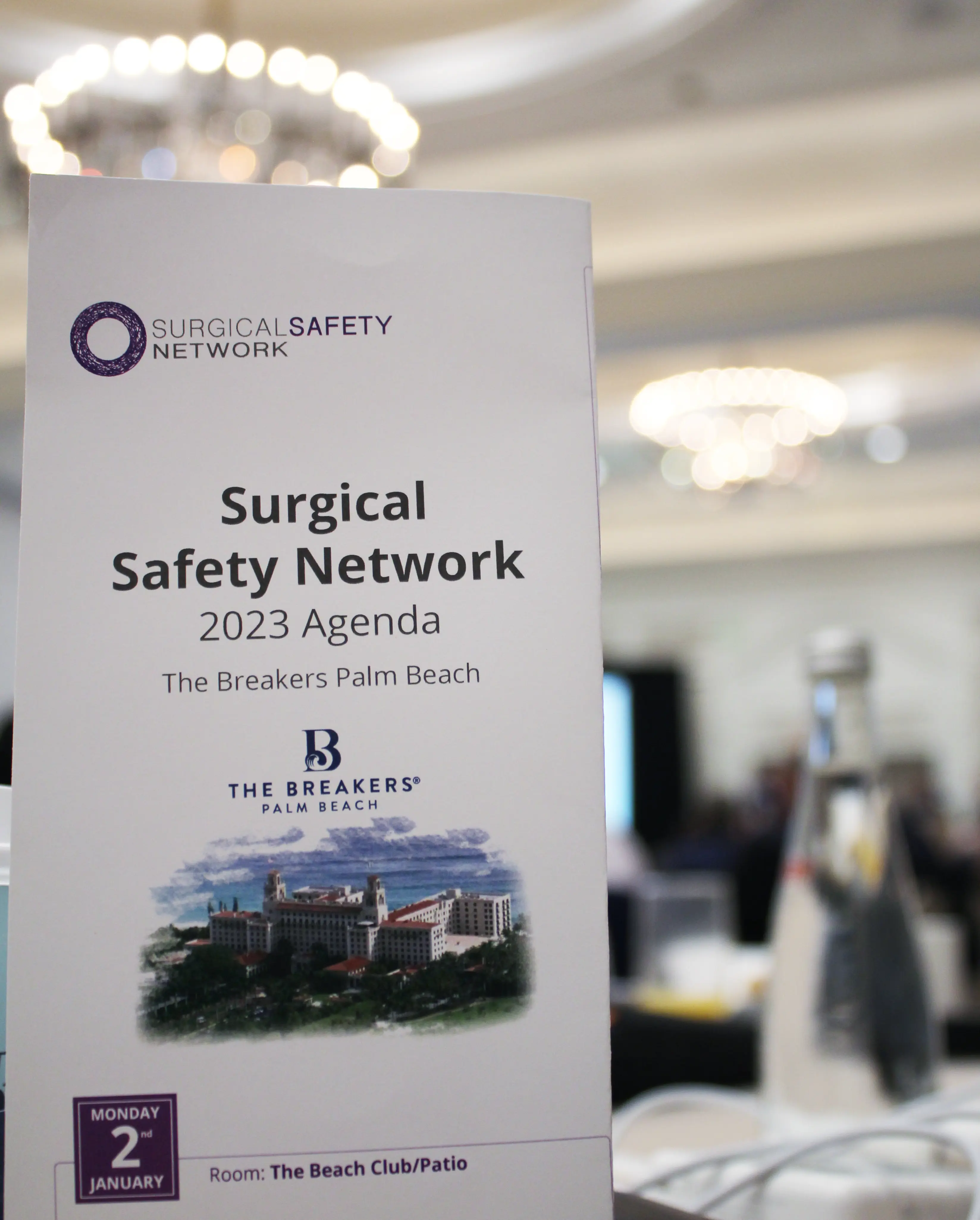
8th Surgical Safety Network Annual Conference

An exclusive cross-institutional collaboration to improve outcomes through technology
About
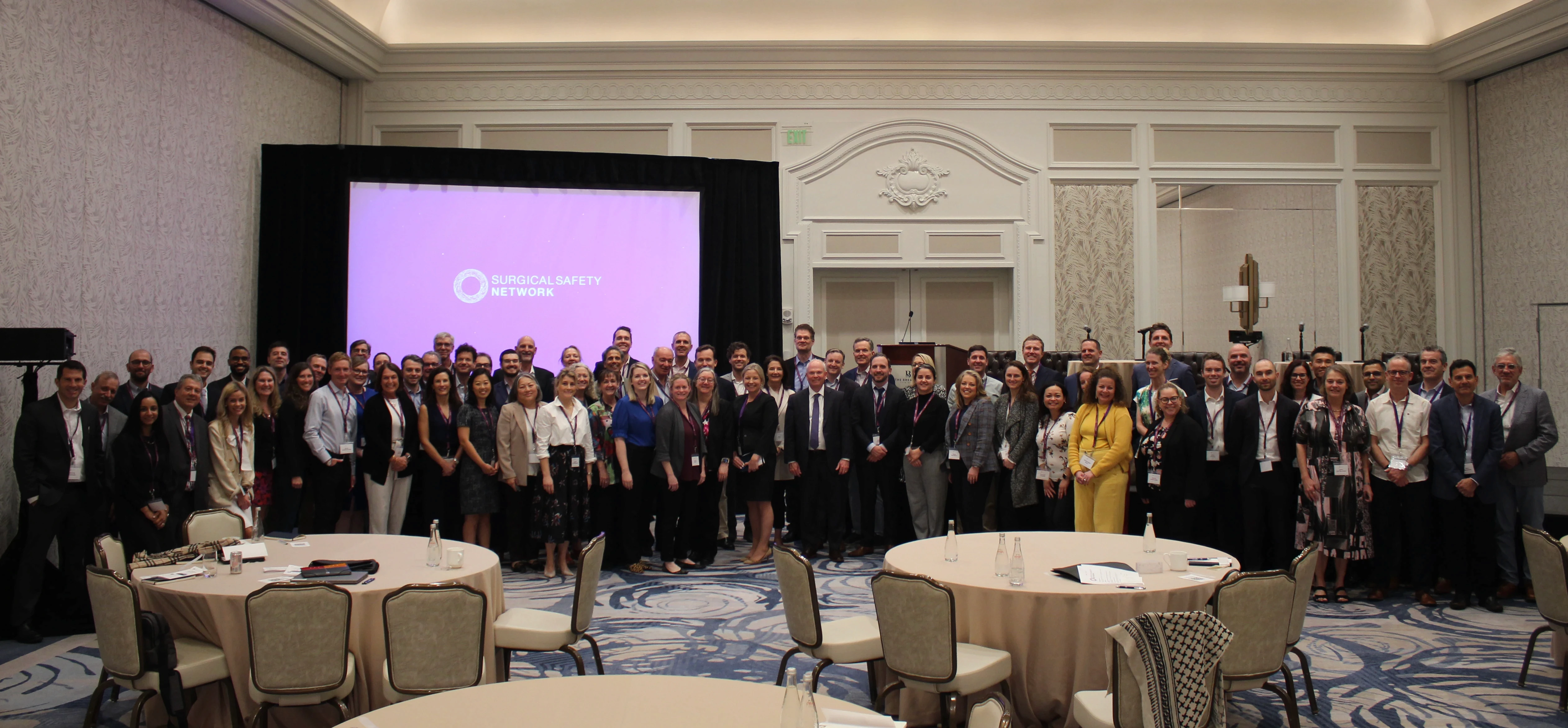
SSN 2023 focused on the next stage of surgical safety: connecting objective measurement, culture, workflow, safety processes, and outcomes into a single improvement system. High-reliability surgical care depends on building systems that can measure, learn, and improve continuously. The conference emphasized that surgical safety is not driven by goals alone, but by the strength of the systems that support clinicians, teams, and organizations.
2023
Insights
Surgical Safety Improvement Requires Both Measurement and Culture
SSN 2023 framed improvement around two foundations: objective measurement and a culture that supports learning. Measurement must be reliable, actionable, and focused on process as well as outcomes. Culture must be built on trust, tolerance for error, and a system-level view of performance rather than individual blame.
This theme echoed throughout the event: hospitals cannot improve what they cannot see, but data only becomes useful when teams feel safe enough to learn from it.
Objective Data Can Reveal Hidden Risk in Everyday Processes
A major focus of SSN 2023 was the use of safety audits to capture key operating-room events. The conference highlighted measurable gaps in routine safety processes, including checklist execution, specimen management, patient positioning, and skin antisepsis.
Examples included specimens not being discussed before case start in 78% of cases, specimens not being discussed before the patient left the room in 94% of cases, and hand hygiene not being performed before prep in 68% of cases. These findings show how objective measurement can surface risks that may be normalized or missed in traditional reporting systems.
Surgical Safety Systems Must Connect Workflow, Safety Processes, and Outcomes
SSN 2023 organized quality surgical care around three pillars: workflow, safety processes, and outcomes. The conference showed how each pillar affects the others. Workflow issues such as turnover time, scheduling error, case delays, and overtime influence team performance and operational reliability. Safety processes such as timeouts, debriefs, specimen handling, and infection-prevention behaviors influence patient outcomes.
This systems view moves surgical safety beyond isolated metrics. It helps organizations understand how daily operational friction can create downstream safety risk, cost, and variability.
Real-Time Visibility Is Becoming Essential to OR Performance
The 2023 materials emphasized the need for real-time insight into case progression. Room State™ was presented as tools that help teams understand what is happening across operating rooms, share relevant information, and act on it in real time.
This reframes efficiency as a safety issue, not just an operational one.
Smart Scheduling Moves OR Planning to Objective Decision Support
SSN 2023 highlighted smart scheduling as a major opportunity for improvement. Traditional scheduling was described as dependent on subjective data, anecdotal experience, single-source historical data, static models, and human input. In contrast, a Black Box data-driven scheduler uses machine-generated timestamps, multi-source inputs, machine-learning models, continuous adaptation, and automated decision support.
The conference showed why this matters: 43% of cases were under-scheduled, mean absolute scheduling error ranged from 35 to 55 minutes per case, and 69% of cases across facilities had delays. These metrics make scheduling visibility as a major lever for safety, efficiency, and staff well-being.
Simulation Becomes More Powerful When Linked to Real Clinical Performance
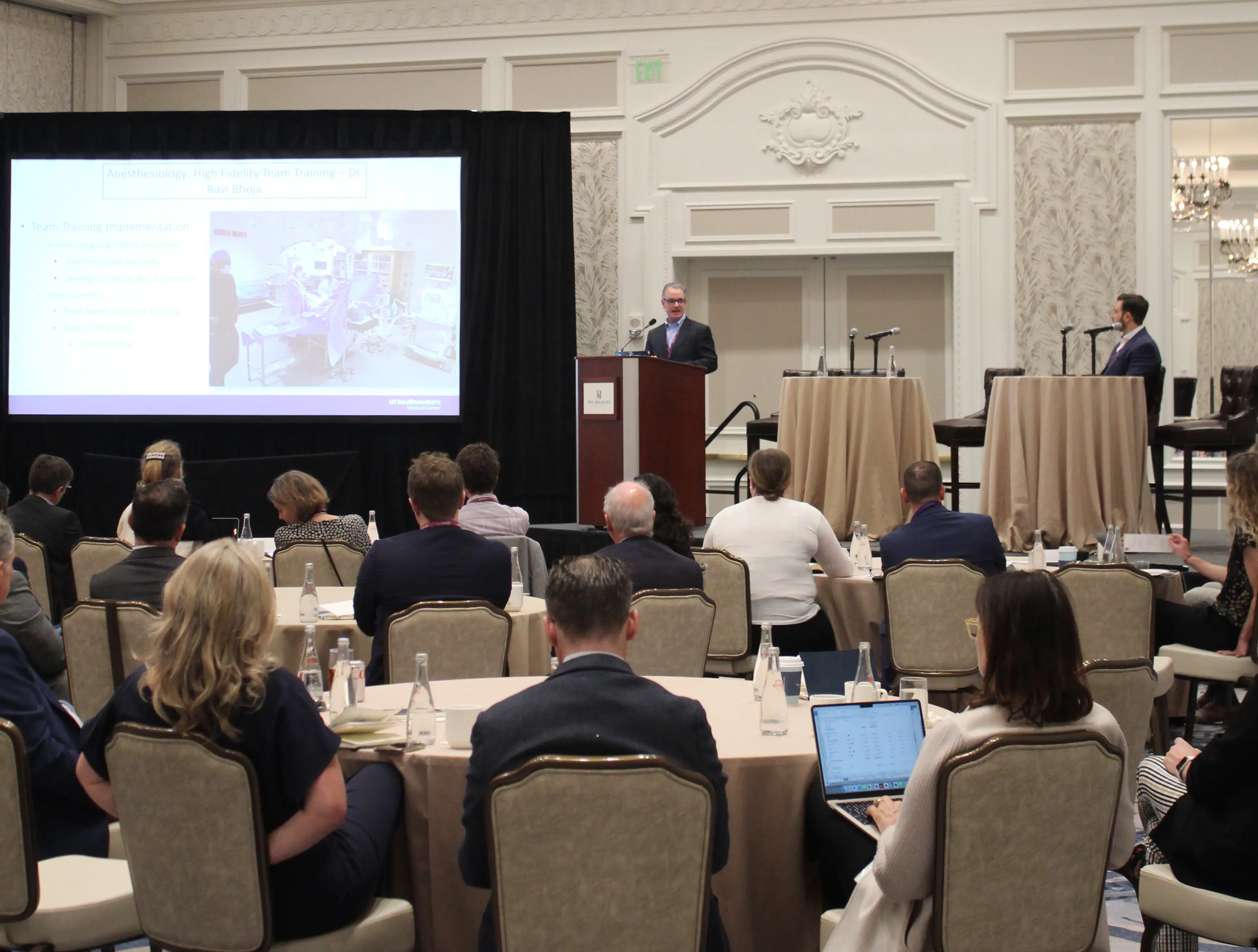
SSN 2023 emphasized the “circle of improvement”: operating-room assessment, identification of improvement areas, deliberate practice, and performance improvement. Simulation was positioned not as a standalone training activity, but as part of a continuous loop connected to clinical performance.
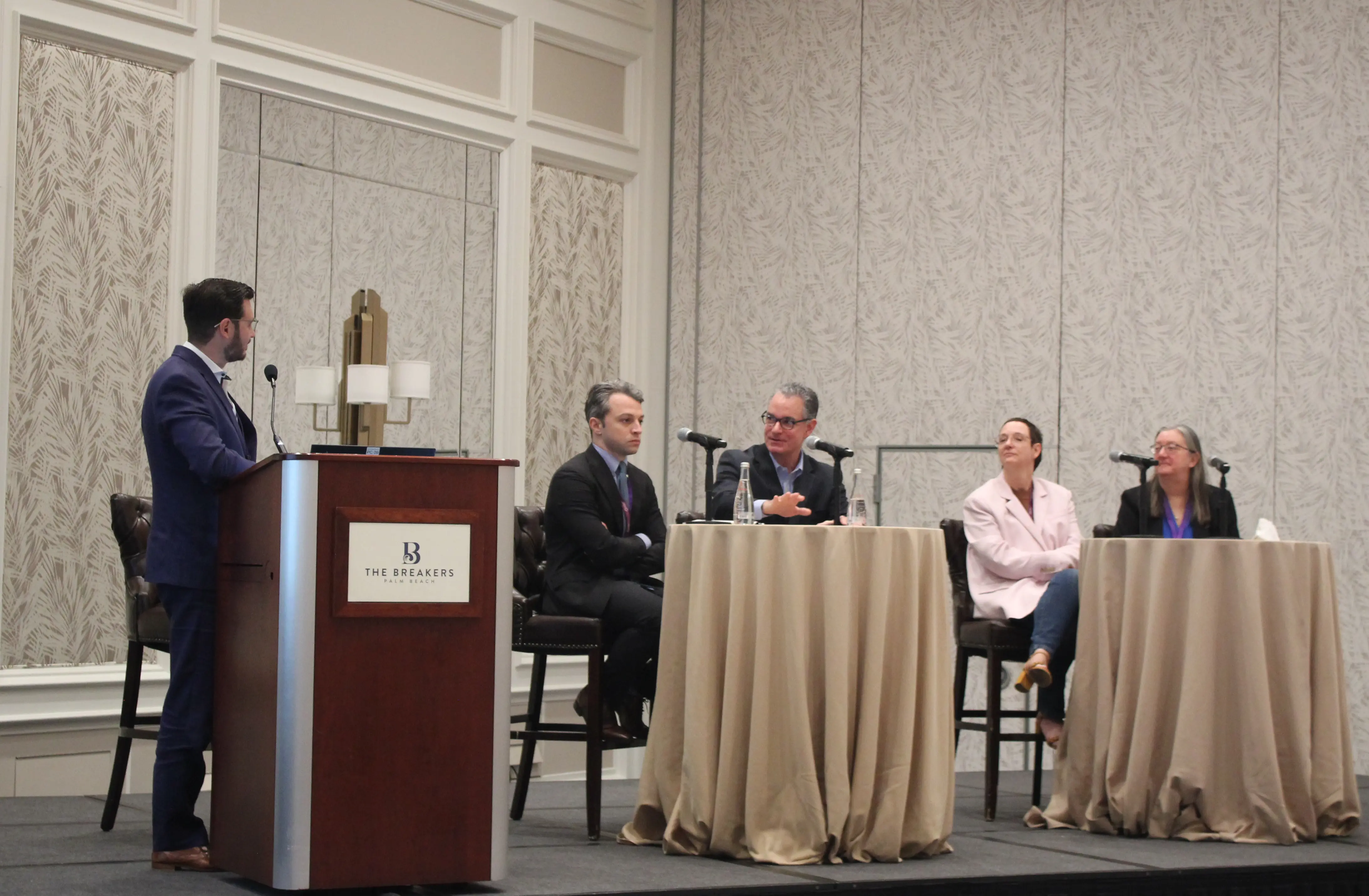
Sessions on in-situ simulation showed that OR Black Box® data can identify suboptimal performance, guide training, clarify expectations, support open team discussions, and measure whether simulation improves real-world timeouts, debriefs, and team engagement.




Swipe for more images > >
January 2 -4
8th Surgical Safety Network Annual Conference
An exclusive cross-institutional collaboration to improve outcomes through technology
About
SSN 2023 focused on the next stage of surgical safety: connecting objective measurement, culture, workflow, safety processes, and outcomes into a single improvement system. High-reliability surgical care depends on building systems that can measure, learn, and improve continuously. The conference emphasized that surgical safety is not driven by goals alone, but by the strength of the systems that support clinicians, teams, and organizations.
2023
Insights
Surgical Safety Improvement Requires Both Measurement and Culture
SSN 2023 framed improvement around two foundations: objective measurement and a culture that supports learning. Measurement must be reliable, actionable, and focused on process as well as outcomes. Culture must be built on trust, tolerance for error, and a system-level view of performance rather than individual blame.
This theme echoed throughout the event: hospitals cannot improve what they cannot see, but data only becomes useful when teams feel safe enough to learn from it.
Objective Data Can Reveal Hidden Risk in Everyday Processes
A major focus of SSN 2023 was the use of safety audits to capture key operating-room events. The conference highlighted measurable gaps in routine safety processes, including checklist execution, specimen management, patient positioning, and skin antisepsis.
Examples included specimens not being discussed before case start in 78% of cases, specimens not being discussed before the patient left the room in 94% of cases, and hand hygiene not being performed before prep in 68% of cases. These findings show how objective measurement can surface risks that may be normalized or missed in traditional reporting systems.
Surgical Safety Systems Must Connect Workflow, Safety Processes, and Outcomes
SSN 2023 organized quality surgical care around three pillars: workflow, safety processes, and outcomes. The conference showed how each pillar affects the others. Workflow issues such as turnover time, scheduling error, case delays, and overtime influence team performance and operational reliability. Safety processes such as timeouts, debriefs, specimen handling, and infection-prevention behaviors influence patient outcomes.
This systems view moves surgical safety beyond isolated metrics. It helps organizations understand how daily operational friction can create downstream safety risk, cost, and variability.
Real-Time Visibility Is Becoming Essential to OR Performance
The 2023 materials emphasized the need for real-time insight into case progression. Room State™ was presented as tools that help teams understand what is happening across operating rooms, share relevant information, and act on it in real time.
This reframes efficiency as a safety issue, not just an operational one.
Smart Scheduling Moves OR Planning to Objective Decision Support
SSN 2023 highlighted smart scheduling as a major opportunity for improvement. Traditional scheduling was described as dependent on subjective data, anecdotal experience, single-source historical data, static models, and human input. In contrast, a Black Box data-driven scheduler uses machine-generated timestamps, multi-source inputs, machine-learning models, continuous adaptation, and automated decision support.
The conference showed why this matters: 43% of cases were under-scheduled, mean absolute scheduling error ranged from 35 to 55 minutes per case, and 69% of cases across facilities had delays. These metrics make scheduling visibility as a major lever for safety, efficiency, and staff well-being.
Simulation Becomes More Powerful When Linked to Real Clinical Performance
SSN 2023 emphasized the “circle of improvement”: operating-room assessment, identification of improvement areas, deliberate practice, and performance improvement. Simulation was positioned not as a standalone training activity, but as part of a continuous loop connected to clinical performance.
Sessions on in-situ simulation showed that OR Black Box® data can identify suboptimal performance, guide training, clarify expectations, support open team discussions, and measure whether simulation improves real-world timeouts, debriefs, and team engagement.
Swipe for more images > >
January 2 -4
8th Surgical Safety Network Annual Conference
An exclusive cross-institutional collaboration to improve outcomes through technology
About
SSN 2023 focused on the next stage of surgical safety: connecting objective measurement, culture, workflow, safety processes, and outcomes into a single improvement system. High-reliability surgical care depends on building systems that can measure, learn, and improve continuously. The conference emphasized that surgical safety is not driven by goals alone, but by the strength of the systems that support clinicians, teams, and organizations.
2023
Insights
Surgical Safety Improvement Requires Both Measurement and Culture
SSN 2023 framed improvement around two foundations: objective measurement and a culture that supports learning. Measurement must be reliable, actionable, and focused on process as well as outcomes. Culture must be built on trust, tolerance for error, and a system-level view of performance rather than individual blame.
This theme echoed throughout the event: hospitals cannot improve what they cannot see, but data only becomes useful when teams feel safe enough to learn from it.
Objective Data Can Reveal Hidden Risk in Everyday Processes
A major focus of SSN 2023 was the use of safety audits to capture key operating-room events. The conference highlighted measurable gaps in routine safety processes, including checklist execution, specimen management, patient positioning, and skin antisepsis.
Examples included specimens not being discussed before case start in 78% of cases, specimens not being discussed before the patient left the room in 94% of cases, and hand hygiene not being performed before prep in 68% of cases. These findings show how objective measurement can surface risks that may be normalized or missed in traditional reporting systems.
Surgical Safety Systems Must Connect Workflow, Safety Processes, and Outcomes
SSN 2023 organized quality surgical care around three pillars: workflow, safety processes, and outcomes. The conference showed how each pillar affects the others. Workflow issues such as turnover time, scheduling error, case delays, and overtime influence team performance and operational reliability. Safety processes such as timeouts, debriefs, specimen handling, and infection-prevention behaviors influence patient outcomes.
This systems view moves surgical safety beyond isolated metrics. It helps organizations understand how daily operational friction can create downstream safety risk, cost, and variability.
Real-Time Visibility Is Becoming Essential to OR Performance
The 2023 materials emphasized the need for real-time insight into case progression. Room State™ was presented as tools that help teams understand what is happening across operating rooms, share relevant information, and act on it in real time.
This reframes efficiency as a safety issue, not just an operational one.
Smart Scheduling Moves OR Planning to Objective Decision Support
SSN 2023 highlighted smart scheduling as a major opportunity for improvement. Traditional scheduling was described as dependent on subjective data, anecdotal experience, single-source historical data, static models, and human input. In contrast, a Black Box data-driven scheduler uses machine-generated timestamps, multi-source inputs, machine-learning models, continuous adaptation, and automated decision support.
The conference showed why this matters: 43% of cases were under-scheduled, mean absolute scheduling error ranged from 35 to 55 minutes per case, and 69% of cases across facilities had delays. These metrics make scheduling visibility as a major lever for safety, efficiency, and staff well-being.
Simulation Becomes More Powerful When Linked to Real Clinical Performance
SSN 2023 emphasized the “circle of improvement”: operating-room assessment, identification of improvement areas, deliberate practice, and performance improvement. Simulation was positioned not as a standalone training activity, but as part of a continuous loop connected to clinical performance.
Sessions on in-situ simulation showed that OR Black Box® data can identify suboptimal performance, guide training, clarify expectations, support open team discussions, and measure whether simulation improves real-world timeouts, debriefs, and team engagement.
Swipe for more images > >