
January 6 - 8
7th Surgical Safety Network Annual Conference

An exclusive cross-institutional collaboration to improve outcomes through technology
About
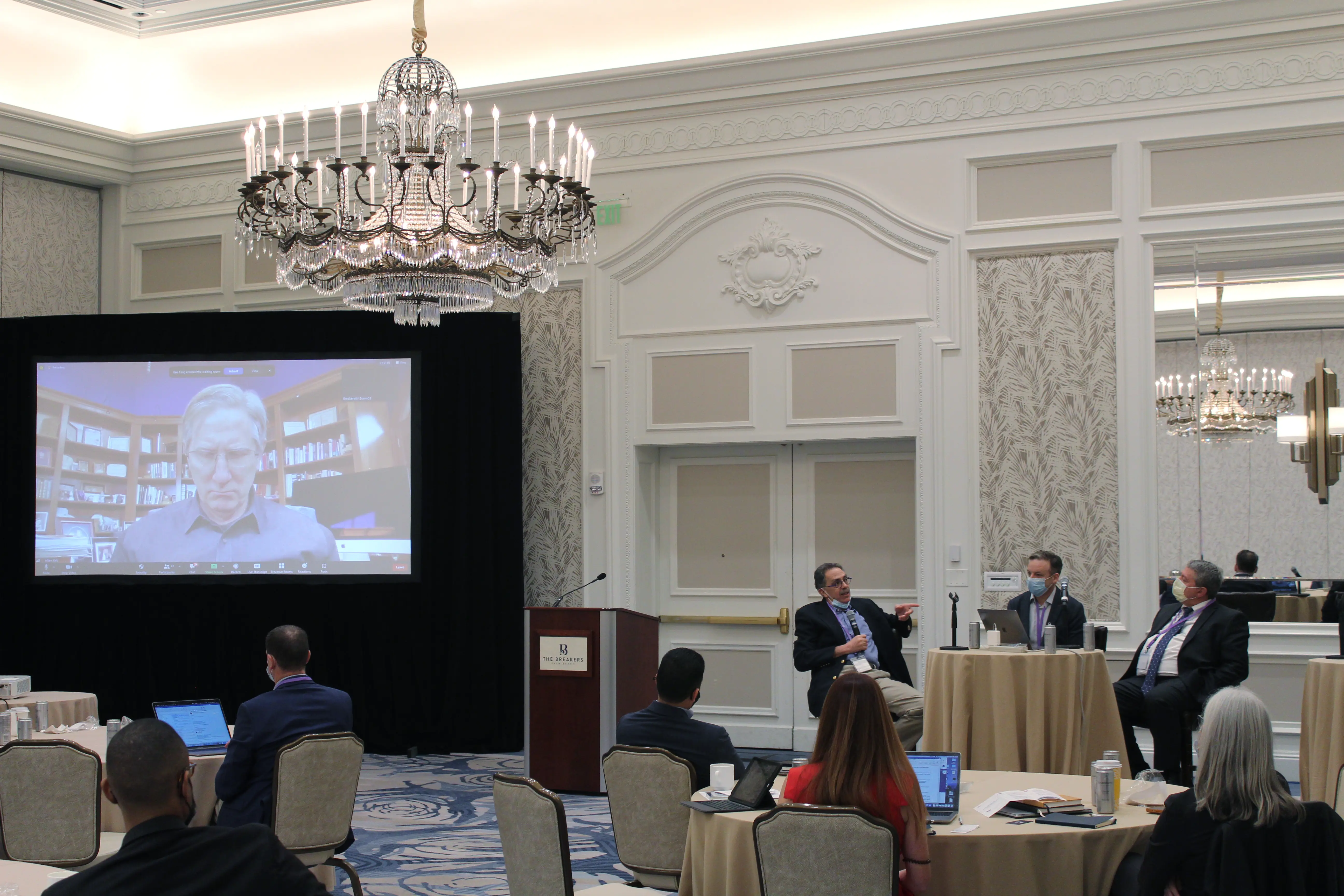
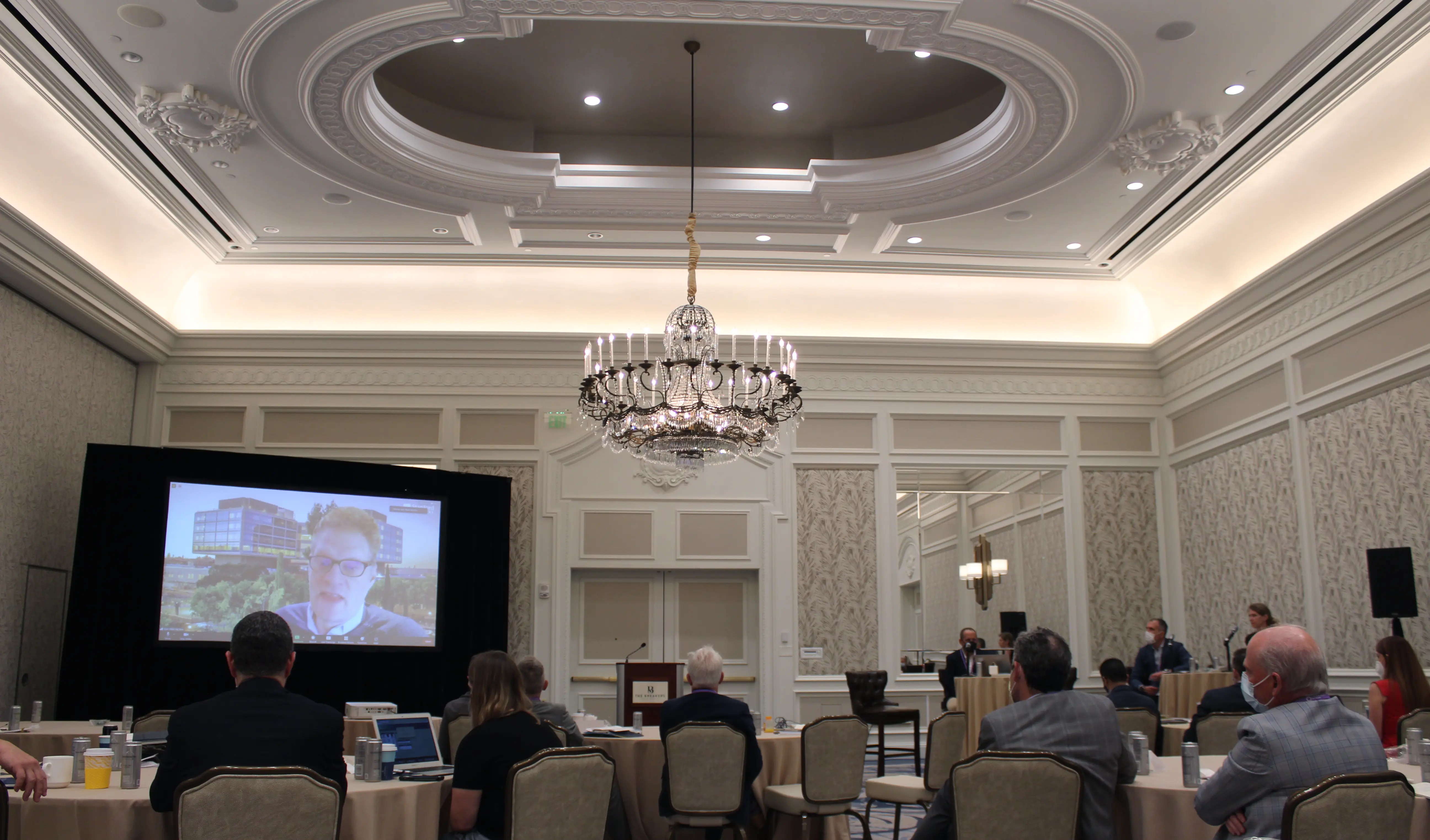
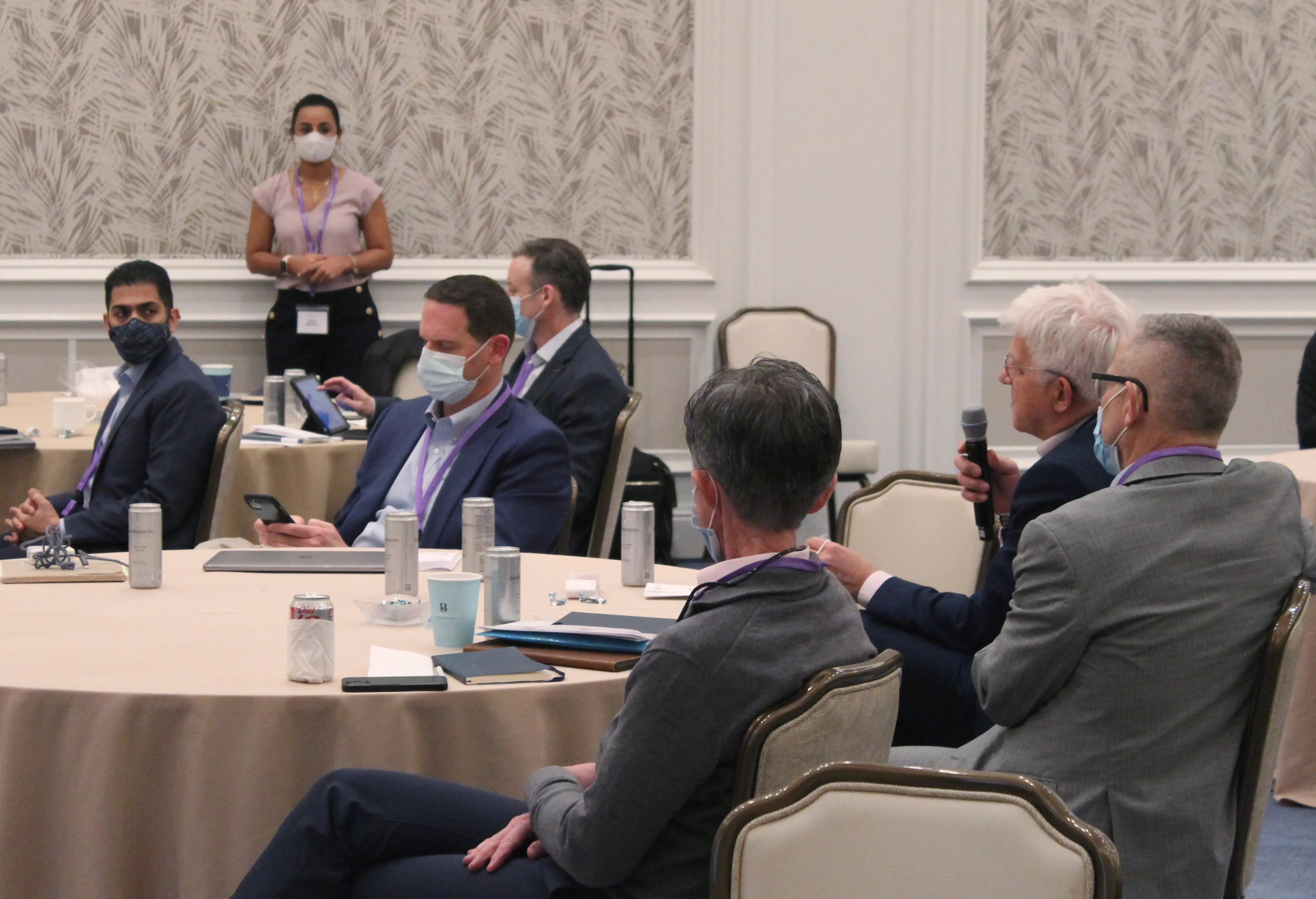
SSN 2022 highlighted how tools such as the OR Black Box® can help surgical teams understand what actually happens before, during, and after procedures. By capturing workflow, teamwork, technical performance, distractions, adverse events, and operational patterns, surgical safety systems can help organizations recognize risk earlier, reduce variation, and design targeted improvements that support both patients and clinical teams.
The next era of surgical safety depends on moving from retrospective review to proactive, data-informed improvement.
Insights
Surgical Safety Must Move From Reactive to Proactive
A central theme of SSN 2022 was the need to shift from reacting to adverse events after they occur toward anticipating risk before harm reaches the patient. Speakers described how surgical teams currently rely heavily on reactive processes: identifying a problem, investigating it, and responding after the fact.
The conference reframed surgical safety as a proactive discipline. Data can help teams identify patterns across patients, procedures, teams, and systems, then apply those insights to briefings, intraoperative decision-making, postoperative monitoring, and quality improvement. This approach supports shared situational awareness and helps teams prepare for both immediate threats and slower, less visible risks.
Data Makes Work-as-Done Visible
SSN 2022 repeatedly emphasized the gap between “work as imagined” and “work as done.” Policies, protocols, and checklists describe how care is intended to happen, but real-world OR environments are complex, dynamic, and full of adaptation.
By capturing synchronized video, audio, physiologic, environmental, and workflow data, the OR Black Box® helps teams see the real conditions under which care is delivered. This makes it possible to identify not only errors, but also the everyday adaptations, recoveries, teamwork behaviors, and process gaps that shape safety. As one session framed it, safety is a “dynamic non-event”: when nothing harmful happens, a great deal of active detection, correction, and coordination is still taking place.
Variation Reveals Opportunities for Improvement
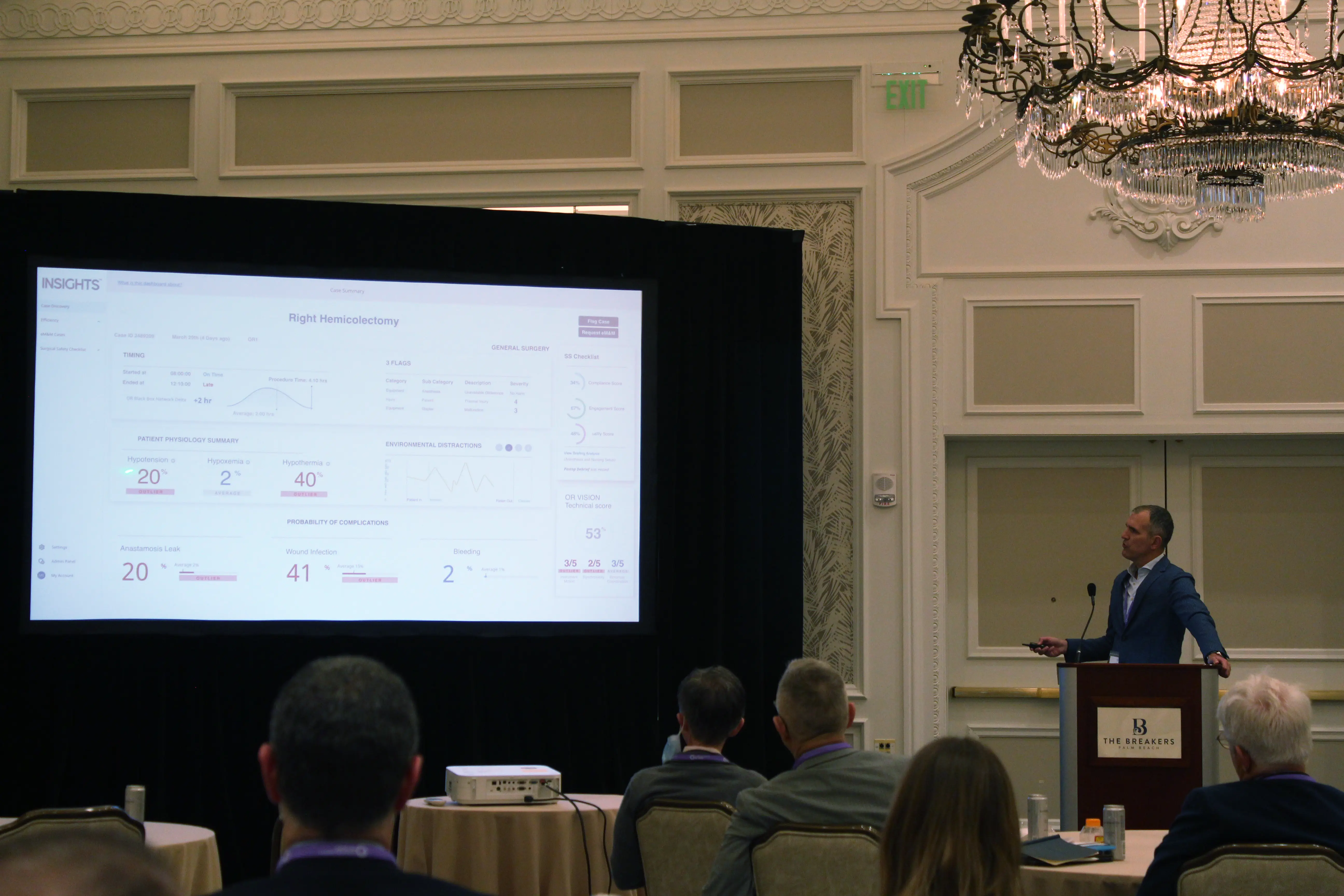
Conference materials showed how OR data can reveal meaningful variation across facilities, procedures, and workflows. Examples included wide ranges in procedure length, turnover time, block utilization, first-case on-time starts, checklist quality, and technical skills scores.
This variation matters because it points to improvement opportunities that may otherwise remain hidden. SSN 2022 positioned surgical safety systems as a way to identify where processes are reliable, where they drift, and where teams need better support. Facilities using Insights from the beginning of 2021 saw improvements in checklist compliance and quality, showing how measurement can support operational and clinical change when paired with action.
Technology Should Support Learning, Not Surveillance
Data must be used to support learning, quality improvement, and system reliability — not blame. Implementation discussions emphasized the importance of governance, privacy, legal and compliance alignment, patient consent, and clear communication that OR Black Box® is a quality improvement platform, not workplace monitoring.
Speakers also cautioned that video and AI are not automatically “truth.” Data collection and analysis can introduce bias, overwhelm teams, or be misinterpreted if not paired with thoughtful design, transparency, human oversight, and a culture of learning.
AI Can Scale Surgical Safety Insights, But Must Be Explainable and Ethical
SSN 2022 explored how AI can help scale surgical safety analysis by supporting technical skills assessment, phase recognition, tray optimization, adverse event detection, resource optimization, clinical decision support, and searchable surgical data.
At the same time, speakers stressed that AI in surgery must be transparent, auditable, generalizable, secure, and explainable. Because AI systems influence clinical learning, quality improvement, and potentially patient care, they must be designed with privacy, bias mitigation, human supervision, and ethical safeguards in mind. The conference positioned AI as a powerful tool for surgical safety, but one that must itself be safe.
Simulation and Coaching Need Real-World Feedback Loops
Several sessions connected simulation, surgical coaching, and OR Black Box® data. Speakers described video-based assessment and coaching as ways to help clinicians identify goals, reflect on performance, receive feedback, and make intentional adjustments.
The conference also highlighted the challenge of proving whether simulation-based training transfers into improved OR performance and patient outcomes. OR Black Box® was presented as a potential “missing link” by capturing real-world perioperative performance, allowing educators and researchers to assess whether skills gained in simulation translate into safer care.
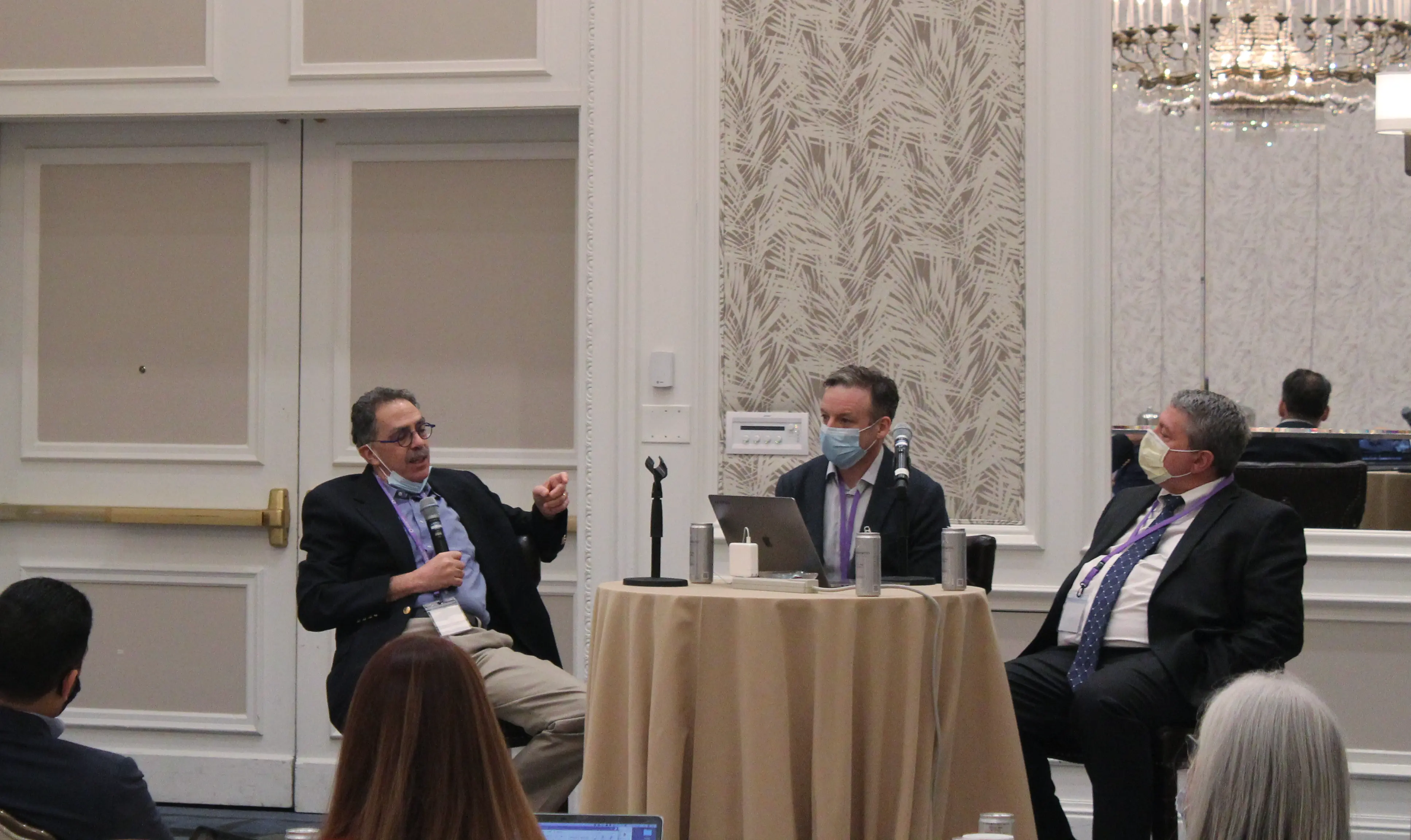
Swipe for more images > >
January 6 - 8
7th Surgical Safety Network Annual Conference
An exclusive cross-institutional collaboration to improve outcomes through technology
About
SSN 2022 highlighted how tools such as the OR Black Box® can help surgical teams understand what actually happens before, during, and after procedures. By capturing workflow, teamwork, technical performance, distractions, adverse events, and operational patterns, surgical safety systems can help organizations recognize risk earlier, reduce variation, and design targeted improvements that support both patients and clinical teams.
The next era of surgical safety depends on moving from retrospective review to proactive, data-informed improvement.
Insights
Surgical Safety Must Move From Reactive to Proactive
A central theme of SSN 2022 was the need to shift from reacting to adverse events after they occur toward anticipating risk before harm reaches the patient. Speakers described how surgical teams currently rely heavily on reactive processes: identifying a problem, investigating it, and responding after the fact.
The conference reframed surgical safety as a proactive discipline. Data can help teams identify patterns across patients, procedures, teams, and systems, then apply those insights to briefings, intraoperative decision-making, postoperative monitoring, and quality improvement. This approach supports shared situational awareness and helps teams prepare for both immediate threats and slower, less visible risks.
Data Makes Work-as-Done Visible
SSN 2022 repeatedly emphasized the gap between “work as imagined” and “work as done.” Policies, protocols, and checklists describe how care is intended to happen, but real-world OR environments are complex, dynamic, and full of adaptation.
By capturing synchronized video, audio, physiologic, environmental, and workflow data, the OR Black Box® helps teams see the real conditions under which care is delivered. This makes it possible to identify not only errors, but also the everyday adaptations, recoveries, teamwork behaviors, and process gaps that shape safety. As one session framed it, safety is a “dynamic non-event”: when nothing harmful happens, a great deal of active detection, correction, and coordination is still taking place.
Variation Reveals Opportunities for Improvement
Conference materials showed how OR data can reveal meaningful variation across facilities, procedures, and workflows. Examples included wide ranges in procedure length, turnover time, block utilization, first-case on-time starts, checklist quality, and technical skills scores.
This variation matters because it points to improvement opportunities that may otherwise remain hidden. SSN 2022 positioned surgical safety systems as a way to identify where processes are reliable, where they drift, and where teams need better support. Facilities using Insights from the beginning of 2021 saw improvements in checklist compliance and quality, showing how measurement can support operational and clinical change when paired with action.
Technology Should Support Learning, Not Surveillance
Data must be used to support learning, quality improvement, and system reliability — not blame. Implementation discussions emphasized the importance of governance, privacy, legal and compliance alignment, patient consent, and clear communication that OR Black Box® is a quality improvement platform, not workplace monitoring.
Speakers also cautioned that video and AI are not automatically “truth.” Data collection and analysis can introduce bias, overwhelm teams, or be misinterpreted if not paired with thoughtful design, transparency, human oversight, and a culture of learning.
AI Can Scale Surgical Safety Insights, But Must Be Explainable and Ethical
SSN 2022 explored how AI can help scale surgical safety analysis by supporting technical skills assessment, phase recognition, tray optimization, adverse event detection, resource optimization, clinical decision support, and searchable surgical data.
At the same time, speakers stressed that AI in surgery must be transparent, auditable, generalizable, secure, and explainable. Because AI systems influence clinical learning, quality improvement, and potentially patient care, they must be designed with privacy, bias mitigation, human supervision, and ethical safeguards in mind. The conference positioned AI as a powerful tool for surgical safety, but one that must itself be safe.
Simulation and Coaching Need Real-World Feedback Loops
Several sessions connected simulation, surgical coaching, and OR Black Box® data. Speakers described video-based assessment and coaching as ways to help clinicians identify goals, reflect on performance, receive feedback, and make intentional adjustments.
The conference also highlighted the challenge of proving whether simulation-based training transfers into improved OR performance and patient outcomes. OR Black Box® was presented as a potential “missing link” by capturing real-world perioperative performance, allowing educators and researchers to assess whether skills gained in simulation translate into safer care.
Swipe for more images > >
January 6 - 8
7th Surgical Safety Network Annual Conference
An exclusive cross-institutional collaboration to improve outcomes through technology
About
SSN 2022 highlighted how tools such as the OR Black Box® can help surgical teams understand what actually happens before, during, and after procedures. By capturing workflow, teamwork, technical performance, distractions, adverse events, and operational patterns, surgical safety systems can help organizations recognize risk earlier, reduce variation, and design targeted improvements that support both patients and clinical teams.
The next era of surgical safety depends on moving from retrospective review to proactive, data-informed improvement.
Insights
Surgical Safety Must Move From Reactive to Proactive
A central theme of SSN 2022 was the need to shift from reacting to adverse events after they occur toward anticipating risk before harm reaches the patient. Speakers described how surgical teams currently rely heavily on reactive processes: identifying a problem, investigating it, and responding after the fact.
The conference reframed surgical safety as a proactive discipline. Data can help teams identify patterns across patients, procedures, teams, and systems, then apply those insights to briefings, intraoperative decision-making, postoperative monitoring, and quality improvement. This approach supports shared situational awareness and helps teams prepare for both immediate threats and slower, less visible risks.
Data Makes Work-as-Done Visible
SSN 2022 repeatedly emphasized the gap between “work as imagined” and “work as done.” Policies, protocols, and checklists describe how care is intended to happen, but real-world OR environments are complex, dynamic, and full of adaptation.
By capturing synchronized video, audio, physiologic, environmental, and workflow data, the OR Black Box® helps teams see the real conditions under which care is delivered. This makes it possible to identify not only errors, but also the everyday adaptations, recoveries, teamwork behaviors, and process gaps that shape safety. As one session framed it, safety is a “dynamic non-event”: when nothing harmful happens, a great deal of active detection, correction, and coordination is still taking place.
Variation Reveals Opportunities for Improvement
Conference materials showed how OR data can reveal meaningful variation across facilities, procedures, and workflows. Examples included wide ranges in procedure length, turnover time, block utilization, first-case on-time starts, checklist quality, and technical skills scores.
This variation matters because it points to improvement opportunities that may otherwise remain hidden. SSN 2022 positioned surgical safety systems as a way to identify where processes are reliable, where they drift, and where teams need better support. Facilities using Insights from the beginning of 2021 saw improvements in checklist compliance and quality, showing how measurement can support operational and clinical change when paired with action.
Technology Should Support Learning, Not Surveillance
Data must be used to support learning, quality improvement, and system reliability — not blame. Implementation discussions emphasized the importance of governance, privacy, legal and compliance alignment, patient consent, and clear communication that OR Black Box® is a quality improvement platform, not workplace monitoring.
Speakers also cautioned that video and AI are not automatically “truth.” Data collection and analysis can introduce bias, overwhelm teams, or be misinterpreted if not paired with thoughtful design, transparency, human oversight, and a culture of learning.
AI Can Scale Surgical Safety Insights, But Must Be Explainable and Ethical
SSN 2022 explored how AI can help scale surgical safety analysis by supporting technical skills assessment, phase recognition, tray optimization, adverse event detection, resource optimization, clinical decision support, and searchable surgical data.
At the same time, speakers stressed that AI in surgery must be transparent, auditable, generalizable, secure, and explainable. Because AI systems influence clinical learning, quality improvement, and potentially patient care, they must be designed with privacy, bias mitigation, human supervision, and ethical safeguards in mind. The conference positioned AI as a powerful tool for surgical safety, but one that must itself be safe.
Simulation and Coaching Need Real-World Feedback Loops
Several sessions connected simulation, surgical coaching, and OR Black Box® data. Speakers described video-based assessment and coaching as ways to help clinicians identify goals, reflect on performance, receive feedback, and make intentional adjustments.
The conference also highlighted the challenge of proving whether simulation-based training transfers into improved OR performance and patient outcomes. OR Black Box® was presented as a potential “missing link” by capturing real-world perioperative performance, allowing educators and researchers to assess whether skills gained in simulation translate into safer care.
Swipe for more images > >