
January 3 - 4
5th Surgical Safety Network Annual Conference

An exclusive cross-institutional collaboration to improve outcomes through technology
About
SSN 2020 highlighted the early foundations of surgical safety measurement: comprehensive data acquisition, objective analysis of intraoperative events, technical and non-technical performance assessment, and translation of insights into education, simulation, quality improvement, and patient outcomes. The conference positioned OR Black Box® not only as a recording platform, but as a research and improvement infrastructure for understanding what happens in the OR and how it affects care.
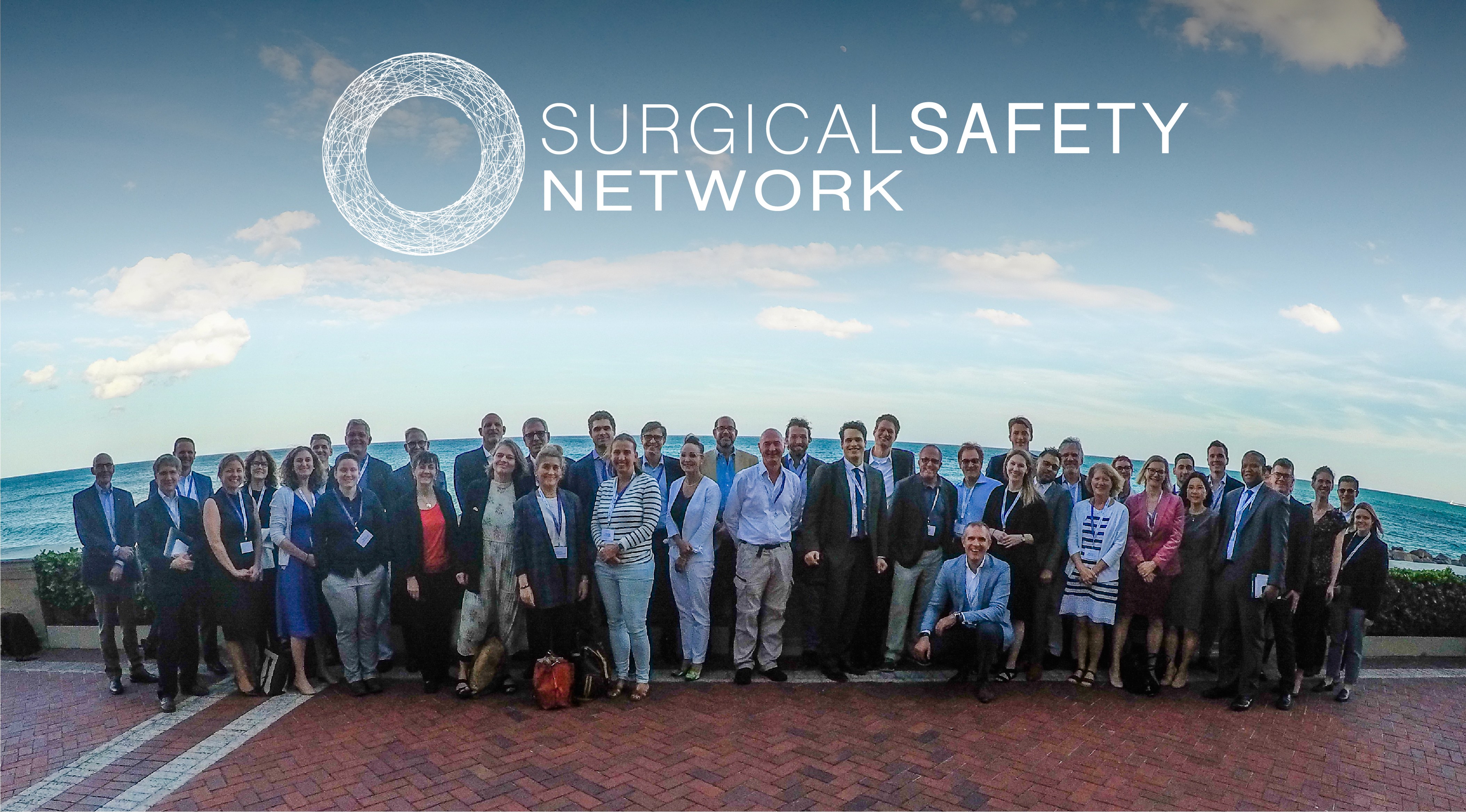
2020
Insights
Surgical Safety Begins With Better Data Capture
SSN 2020 emphasized that meaningful improvement requires comprehensive, high-quality data from the real clinical environment. Presentations described OR Black Box® clinical research as a pathway from data acquisition to intraoperative parameter measurement, translation to practice, and impact analysis on meaningful outcomes.
This focus was especially important for open surgery, where earlier capture systems faced practical limitations such as excessive movement, low resolution, brightness washout, wide field of view, focus issues, discomfort, and sterility concerns. The 2020 materials showed that better image stability, surgical-field focus, and usability were necessary foundations for objective surgical analysis.
Distraction Can Be Measured Objectively
A major theme of SSN 2020 was the need to move beyond subjective impressions of OR distractions. Materials on eye tracking showed how surgeon visual attention could be measured objectively, identifying moments when the surgeon’s gaze was disrupted during events such as door openings, loud noise, telephone interruptions, device malfunctions, next-case management, time pressure, and irrelevant conversation.
Intraoperative Events Are Critical Signals for Patient Safety
SSN 2020 highlighted the importance of measuring intraoperative events such as bleeding, thermal injury, and mechanical injury. Presentations described the SEVERE framework for analyzing event type, severity, and rectification, including whether an event was fully corrected during the case.
Technical Skill Can Be Quantified and Benchmarked
SSN 2020 reinforced that technical skill in the operating room can be measured using global rating scales such as GEARS and OSATS. The education materials emphasized that technical skill contributes to variation in patient outcomes, and that medical education needs standards to benchmark trainees.
Video Review Can Support Briefing, Debriefing, Coaching, and Deliberate Practice
SSN 2020 showed how OR Black Box® data could support a full learning cycle: preoperative briefing, intraoperative assessment, postoperative debriefing, coaching, and simulation-based deliberate practice. The education materials described video-based review of key case steps before surgery, AI-facilitated real-time performance assessment during surgery, and review of automated performance metrics after surgery.
This positioned video review as more than a retrospective audit. It becomes a tool for preparation, feedback, coaching, and continuous professional development.
AI Was Emerging as a Tool for Real-Time Surgical Assessment
SSN 2020 introduced AI as a future mechanism for real-time performance assessment. The education materials described AI as a way to replicate expert judgment objectively, reduce inherent biases, identify novel clinically significant aspects of performance, and better account for the multiple factors that contribute to procedural competency.
The message was not that AI would replace clinical judgment, but that it could scale assessment, support coaching, and help surgical teams detect meaningful performance patterns that are difficult to see manually.




Swipe for more images > >
January 3 - 4
5th Surgical Safety Network Annual Conference
An exclusive cross-institutional collaboration to improve outcomes through technology
About
SSN 2020 highlighted the early foundations of surgical safety measurement: comprehensive data acquisition, objective analysis of intraoperative events, technical and non-technical performance assessment, and translation of insights into education, simulation, quality improvement, and patient outcomes. The conference positioned OR Black Box® not only as a recording platform, but as a research and improvement infrastructure for understanding what happens in the OR and how it affects care.
2020
Insights
Surgical Safety Begins With Better Data Capture
SSN 2020 emphasized that meaningful improvement requires comprehensive, high-quality data from the real clinical environment. Presentations described OR Black Box® clinical research as a pathway from data acquisition to intraoperative parameter measurement, translation to practice, and impact analysis on meaningful outcomes.
This focus was especially important for open surgery, where earlier capture systems faced practical limitations such as excessive movement, low resolution, brightness washout, wide field of view, focus issues, discomfort, and sterility concerns. The 2020 materials showed that better image stability, surgical-field focus, and usability were necessary foundations for objective surgical analysis.
Distraction Can Be Measured Objectively
A major theme of SSN 2020 was the need to move beyond subjective impressions of OR distractions. Materials on eye tracking showed how surgeon visual attention could be measured objectively, identifying moments when the surgeon’s gaze was disrupted during events such as door openings, loud noise, telephone interruptions, device malfunctions, next-case management, time pressure, and irrelevant conversation.
Intraoperative Events Are Critical Signals for Patient Safety
SSN 2020 highlighted the importance of measuring intraoperative events such as bleeding, thermal injury, and mechanical injury. Presentations described the SEVERE framework for analyzing event type, severity, and rectification, including whether an event was fully corrected during the case.
Technical Skill Can Be Quantified and Benchmarked
SSN 2020 reinforced that technical skill in the operating room can be measured using global rating scales such as GEARS and OSATS. The education materials emphasized that technical skill contributes to variation in patient outcomes, and that medical education needs standards to benchmark trainees.
Video Review Can Support Briefing, Debriefing, Coaching, and Deliberate Practice
SSN 2020 showed how OR Black Box® data could support a full learning cycle: preoperative briefing, intraoperative assessment, postoperative debriefing, coaching, and simulation-based deliberate practice. The education materials described video-based review of key case steps before surgery, AI-facilitated real-time performance assessment during surgery, and review of automated performance metrics after surgery.
This positioned video review as more than a retrospective audit. It becomes a tool for preparation, feedback, coaching, and continuous professional development.
AI Was Emerging as a Tool for Real-Time Surgical Assessment
SSN 2020 introduced AI as a future mechanism for real-time performance assessment. The education materials described AI as a way to replicate expert judgment objectively, reduce inherent biases, identify novel clinically significant aspects of performance, and better account for the multiple factors that contribute to procedural competency.
The message was not that AI would replace clinical judgment, but that it could scale assessment, support coaching, and help surgical teams detect meaningful performance patterns that are difficult to see manually.
Swipe for more images > >
January 3 - 4
5th Surgical Safety Network Annual Conference
An exclusive cross-institutional collaboration to improve outcomes through technology
About
SSN 2020 highlighted the early foundations of surgical safety measurement: comprehensive data acquisition, objective analysis of intraoperative events, technical and non-technical performance assessment, and translation of insights into education, simulation, quality improvement, and patient outcomes. The conference positioned OR Black Box® not only as a recording platform, but as a research and improvement infrastructure for understanding what happens in the OR and how it affects care.
2020
Insights
Surgical Safety Begins With Better Data Capture
SSN 2020 emphasized that meaningful improvement requires comprehensive, high-quality data from the real clinical environment. Presentations described OR Black Box® clinical research as a pathway from data acquisition to intraoperative parameter measurement, translation to practice, and impact analysis on meaningful outcomes.
This focus was especially important for open surgery, where earlier capture systems faced practical limitations such as excessive movement, low resolution, brightness washout, wide field of view, focus issues, discomfort, and sterility concerns. The 2020 materials showed that better image stability, surgical-field focus, and usability were necessary foundations for objective surgical analysis.
Distraction Can Be Measured Objectively
A major theme of SSN 2020 was the need to move beyond subjective impressions of OR distractions. Materials on eye tracking showed how surgeon visual attention could be measured objectively, identifying moments when the surgeon’s gaze was disrupted during events such as door openings, loud noise, telephone interruptions, device malfunctions, next-case management, time pressure, and irrelevant conversation.
Intraoperative Events Are Critical Signals for Patient Safety
SSN 2020 highlighted the importance of measuring intraoperative events such as bleeding, thermal injury, and mechanical injury. Presentations described the SEVERE framework for analyzing event type, severity, and rectification, including whether an event was fully corrected during the case.
Technical Skill Can Be Quantified and Benchmarked
SSN 2020 reinforced that technical skill in the operating room can be measured using global rating scales such as GEARS and OSATS. The education materials emphasized that technical skill contributes to variation in patient outcomes, and that medical education needs standards to benchmark trainees.
Video Review Can Support Briefing, Debriefing, Coaching, and Deliberate Practice
SSN 2020 showed how OR Black Box® data could support a full learning cycle: preoperative briefing, intraoperative assessment, postoperative debriefing, coaching, and simulation-based deliberate practice. The education materials described video-based review of key case steps before surgery, AI-facilitated real-time performance assessment during surgery, and review of automated performance metrics after surgery.
This positioned video review as more than a retrospective audit. It becomes a tool for preparation, feedback, coaching, and continuous professional development.
AI Was Emerging as a Tool for Real-Time Surgical Assessment
SSN 2020 introduced AI as a future mechanism for real-time performance assessment. The education materials described AI as a way to replicate expert judgment objectively, reduce inherent biases, identify novel clinically significant aspects of performance, and better account for the multiple factors that contribute to procedural competency.
The message was not that AI would replace clinical judgment, but that it could scale assessment, support coaching, and help surgical teams detect meaningful performance patterns that are difficult to see manually.
Swipe for more images > >